

Best Dry Mouth Products in the USA: Why Finding the Right Relief Matters More Than Drinking More Water
If your mouth feels dry no matter how much water you drink, you’re not alone. Millions of Americans experience dry mouth every day, and the cause is often more complex than simple dehydration. Medications, mouth breathing, stress, aging, and certain health conditions can all affect saliva production and oral comfort.
Because of this, drinking more water may provide only temporary relief. Understanding the real cause of dry mouth is the key to finding products and routines that better support long lasting comfort. In this guide, we’ll explain what dry mouth is, why it happens, how it affects daily life, and how to choose the best dry mouth products for your needs.
What Is Dry Mouth?
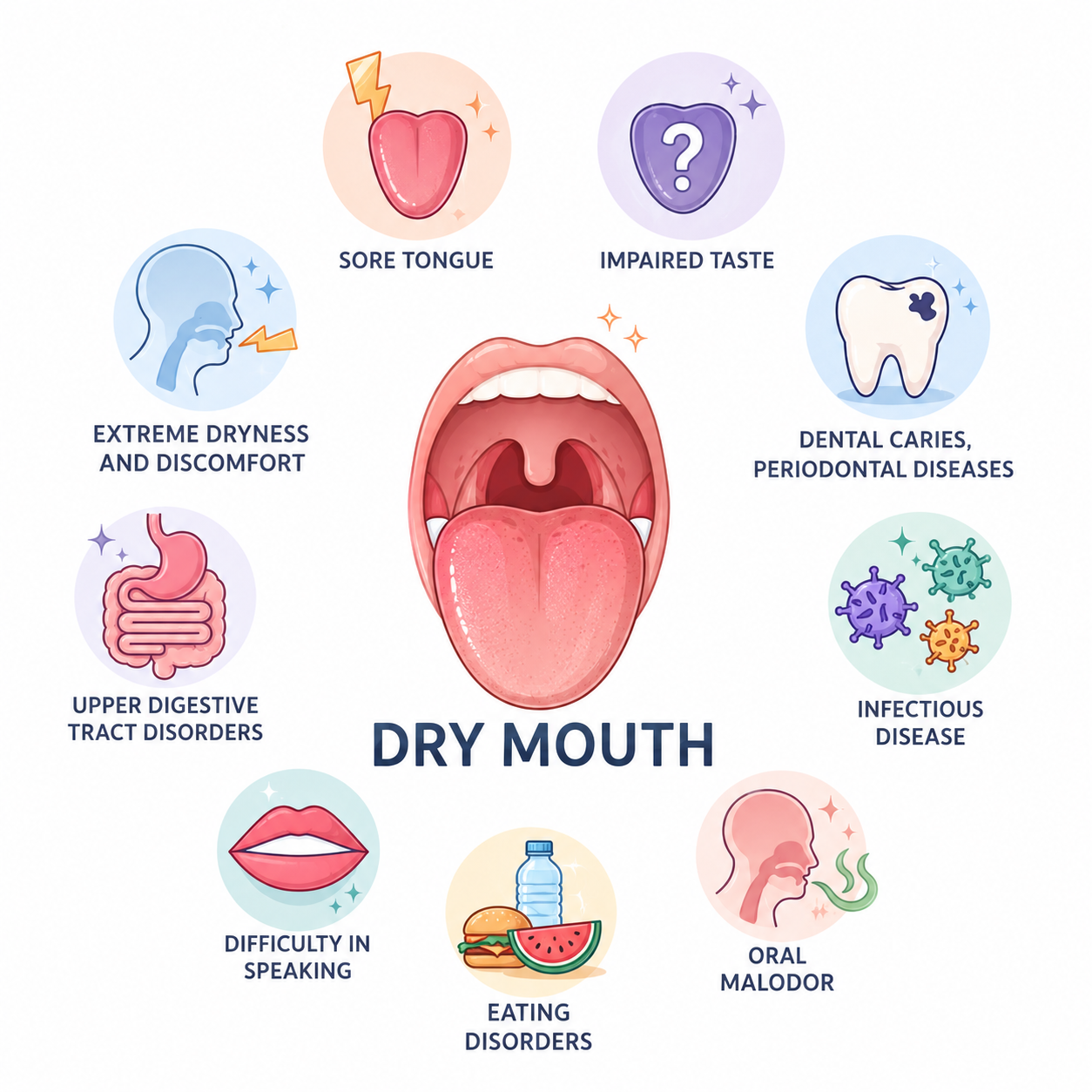
Dry mouth, medically known as xerostomia, occurs when your mouth does not maintain enough moisture to feel comfortable throughout the day. While most people rarely think about saliva, it plays a surprisingly important role in everyday oral comfort. Saliva helps keep oral tissues lubricated, supports speaking and swallowing, washes away food particles, and contributes to a comfortable feeling throughout the mouth.
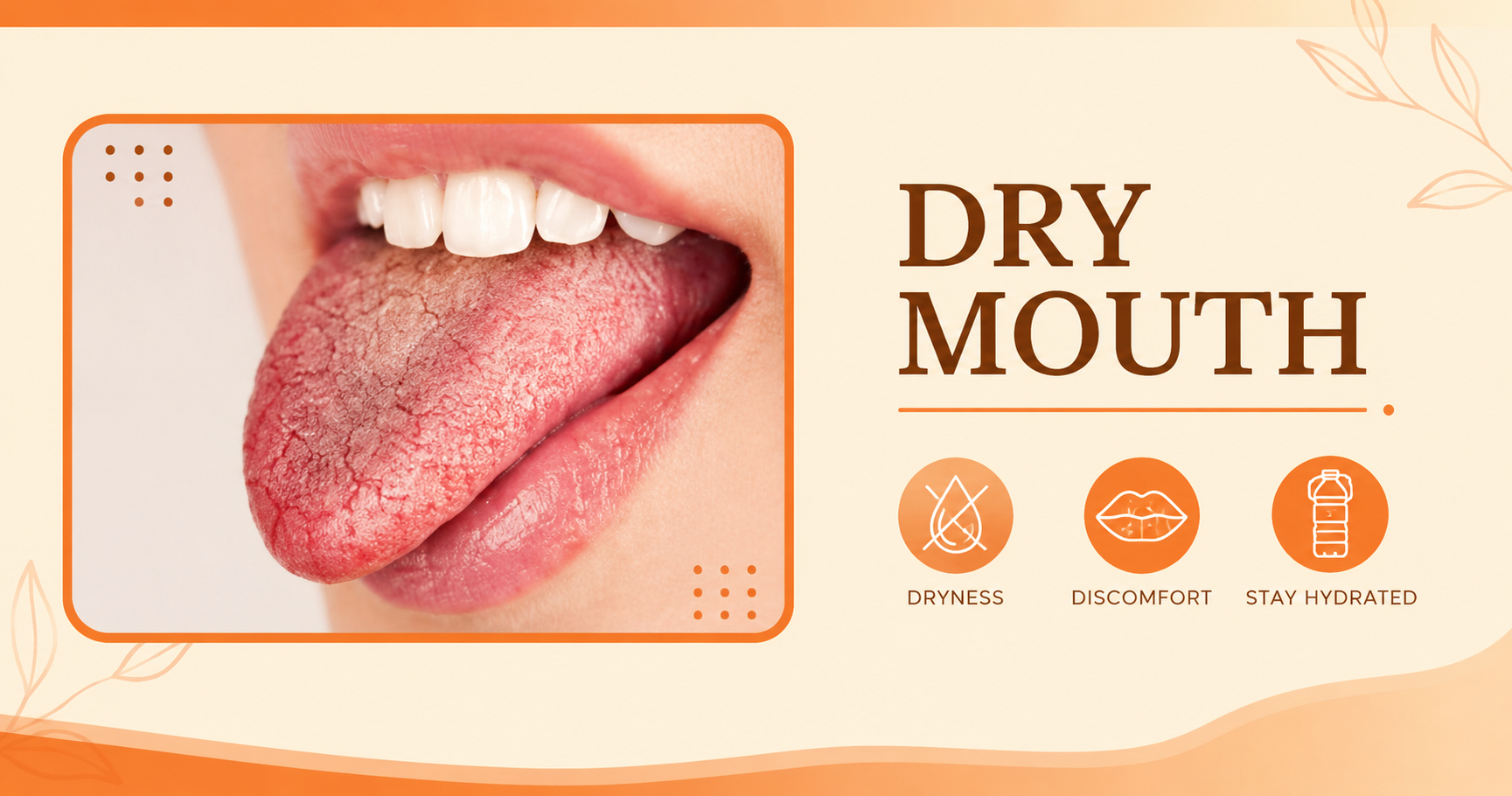
When saliva levels decrease or oral moisture becomes insufficient, people often begin noticing symptoms that can range from mildly annoying to significantly disruptive. Some individuals describe a sticky feeling inside their mouth. Others notice a rough tongue, dry lips, persistent thirst, difficulty speaking for extended periods, or a sensation that their mouth never feels fully refreshed. These symptoms may appear occasionally or become part of everyday life.
One reason dry mouth can be difficult to recognize is that it often develops gradually. Many people adjust to the symptoms without realizing how much they have changed their daily habits. They begin carrying water everywhere, avoiding certain foods, waking up during the night, or constantly searching for ways to relieve the discomfort. What starts as a minor inconvenience can slowly become a persistent quality-of-life issue.
Dry mouth is not simply about feeling thirsty. It is a condition that affects the overall comfort and moisture balance of the mouth. When oral moisture levels are not maintained, everyday activities can become noticeably less comfortable than they should be.
Saliva helps support:
• Comfortable speaking
• Comfortable swallowing
• Everyday oral hygiene
• Tooth protection
• Gum comfort
• Overall mouth moisture and comfort
What Causes Dry Mouth?
One of the biggest misconceptions about dry mouth is that it is always caused by dehydration. While dehydration can certainly contribute to oral dryness, it is only one of many possible causes. In reality, many people experiencing dry mouth are drinking adequate amounts of water but still struggle with persistent symptoms.
Understanding what causes dry mouth is important because finding relief often depends on identifying the factors contributing to the problem. What works for one person may not work for another because the underlying causes can vary significantly.
Medication Use
For many Americans, medication use is one of the most common contributors to dry mouth. Hundreds of prescription and over-the-counter medications have been associated with oral dryness. Some people first notice symptoms after starting a new medication, while others experience gradual changes over time.
Because medication use becomes more common with age, this is one reason dry mouth is frequently reported among older adults.
Sleeping With Your Mouth Open
If you regularly wake up with a dry mouth, mouth breathing during sleep may be a contributing factor. When air continuously passes through the mouth overnight, moisture can evaporate more quickly, leaving the mouth feeling dry by morning.
Mouth breathing may be related to allergies, nasal congestion, snoring, sleep habits, or other factors that make nasal breathing more difficult.
Stress And Anxiety
The connection between stress and dry mouth surprises many people. During stressful situations, some individuals notice that their mouth feels unusually dry or uncomfortable.
While stress may not always be the direct cause, it can influence saliva flow and increase awareness of oral discomfort.
Dehydration
Proper hydration remains important for overall health. When the body lacks sufficient fluids, dry mouth can certainly develop. However, many people discover that simply drinking more water does not completely solve the problem because hydration and saliva production are not exactly the same thing.
Age Related Changes
Dry mouth becomes more common as people get older. This may be influenced by medications, lifestyle changes, health conditions, and other factors that affect oral moisture.
Health Conditions
Certain health conditions may contribute to changes in saliva production or increase the likelihood of experiencing dry mouth symptoms. This is one reason ongoing dryness should not be ignored, especially when symptoms persist over an extended period.
Common causes of dry mouth include:
• Medication use
• Mouth breathing while sleeping
• Stress and anxiety
• Dehydration
• Age-related factors
• Certain health conditions
• Smoking and tobacco use
• Alcohol consumption
• Excessive caffeine intake
7 Signs You May Have Chronic Dry Mouth
Many people assume they would immediately know if they had chronic dry mouth. In reality, the condition often develops gradually, making it surprisingly easy to overlook. What starts as occasional dryness can slowly become part of everyday life until symptoms begin affecting comfort, sleep, or daily routines.
Some people notice they are constantly carrying a water bottle. Others wake up repeatedly during the night feeling thirsty. Some experience discomfort during long conversations, while others feel like their mouth never stays comfortable for very long. Because symptoms vary from person to person, chronic dry mouth does not always present in exactly the same way.
Over time, many individuals begin adapting their behavior without realizing it. They drink water more frequently, avoid certain foods, or become increasingly aware of dryness throughout the day. These changes often indicate that oral moisture levels may not be where they should be.
Common signs of chronic dry mouth include:
• Waking up thirsty during the night
• A sticky feeling inside the mouth
• Dry lips
• A rough or dry tongue
• Frequent water drinking
• Dryness while speaking
• Overnight mouth discomfort
• Persistent feelings of oral dryness
• Feeling like water only provides temporary relief
If these symptoms continue for weeks or months, speaking with a healthcare professional or dental provider may help identify possible contributing factors.
Dry Mouth vs Dehydration: What’s The Difference?
Many people use the terms dry mouth and dehydration interchangeably, but they are not the same thing. Understanding the difference is one of the most important steps toward finding relief that actually addresses the problem.
Dehydration affects the entire body and occurs when fluid levels become too low. Dry mouth, on the other hand, specifically relates to oral moisture and saliva-related comfort. While dehydration can cause dry mouth, someone can be adequately hydrated and still experience ongoing oral dryness.
This explains why many people continue struggling with symptoms despite drinking large amounts of water throughout the day. Water supports hydration, but saliva provides a unique type of lubrication and moisture that water alone cannot always replace.
| Dry Mouth | Dehydration |
| Primarily affects oral moisture | Affects the entire body |
| Often related to saliva production | Usually related to insufficient fluid intake |
| May continue despite drinking water | Often improves with hydration |
| Can require dedicated moisture support | Usually addressed through increased fluid intake |
| Often noticed during speaking or sleeping | May include fatigue, dizziness, and thirst |
Understanding this distinction helps explain why many people eventually find that dedicated dry mouth products provide more targeted support than hydration alone.
Can Dry Mouth Affect Daily Life?
Many people think dry mouth is simply a minor inconvenience. After all, how serious can a dry mouth really be?
The reality is that most people don’t fully appreciate how important oral comfort is until they lose it.
Imagine waking up multiple times every night because your mouth feels dry. Imagine constantly reaching for water during conversations. Imagine feeling uncomfortable during meetings, social events, road trips, or meals because your mouth never seems to stay comfortably moist.
Dry mouth has a way of quietly inserting itself into everyday life. At first, it may only feel annoying. Over time, however, the constant discomfort can become exhausting. Some people find themselves avoiding certain foods because they are harder to eat comfortably. Others begin carrying water everywhere they go. Some even feel self-conscious during conversations because they worry about how their mouth feels when speaking.
What makes dry mouth particularly frustrating is that the symptoms rarely disappear on their own. Instead, many people spend months adapting to the problem without ever addressing the underlying cause.
When oral dryness becomes a daily experience, it can affect much more than physical comfort.
Dry mouth may affect:
• Sleep quality
• Eating enjoyment
• Speaking comfort
• Social confidence
• Workplace productivity
• Daily routines
• Overall quality of life
Why Dry Mouth Gets Worse At Night
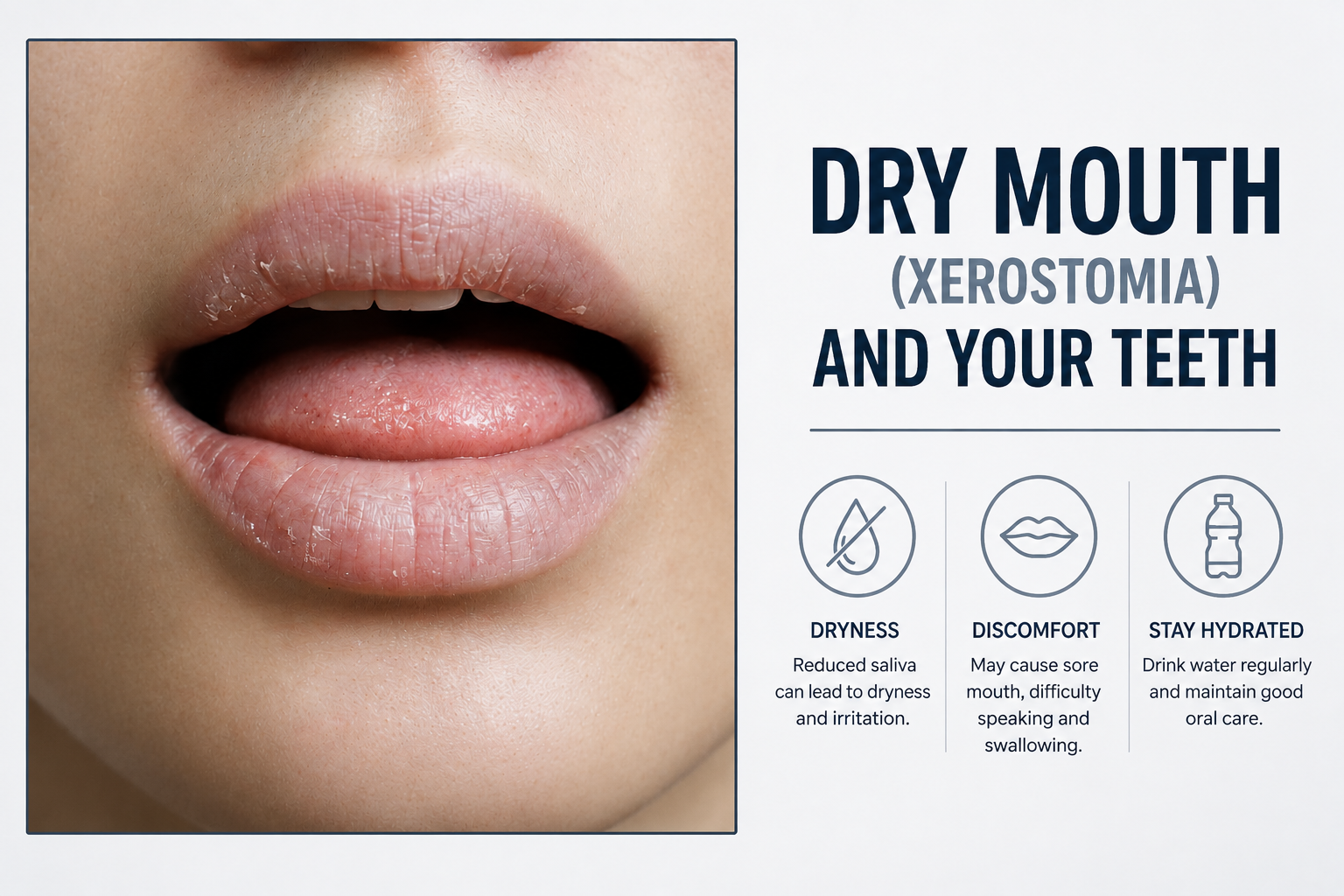
One of the most common questions people ask is why dry mouth seems significantly worse while sleeping.
The answer is actually quite simple.
During the day, you’re constantly talking, drinking, eating, and swallowing. These natural activities help maintain moisture and stimulate saliva flow. At night, however, everything slows down.
Saliva production naturally decreases while you sleep. If you also breathe through your mouth, have nasal congestion, snore, or sleep in a dry environment, moisture can evaporate even faster.
That combination creates the perfect conditions for overnight dryness.
This is why many people wake up feeling like their mouth is completely dry despite feeling relatively comfortable before going to bed.
For some individuals, nighttime dryness becomes the most frustrating part of the entire condition because it interferes with sleep. Instead of sleeping through the night, they wake up repeatedly needing water.
Unfortunately, drinking water often provides only temporary relief because the underlying moisture imbalance remains.
Factors that may worsen nighttime dry mouth include:
• Mouth breathing
• Snoring
• Nasal congestion
• Allergies
• Dry bedroom air
• Reduced nighttime saliva production
• Certain medications taken before bed
How Saliva Protects Your Teeth And Gums
Most people think saliva exists only to keep the mouth wet. In reality, saliva is one of the body’s most important natural defense systems.
Every day, saliva continuously bathes the teeth, gums, tongue, and soft tissues. It helps wash away food particles, supports a balanced oral environment, and keeps oral tissues comfortable.
Without adequate saliva, your mouth loses much of its natural protection.
Think of saliva as your mouth’s built-in maintenance system. It is constantly working, even when you’re not aware of it. Every time you eat, speak, smile, or swallow, saliva is helping your mouth function properly.
When saliva levels decrease, the oral environment can feel less comfortable and more vulnerable to everyday challenges.
This is one reason dental professionals often pay close attention to persistent dry mouth symptoms. Moisture plays a significant role in maintaining oral comfort and supporting long-term oral health.
Saliva helps support:
• Everyday oral hygiene
• Tooth comfort
• Gum comfort
• Swallowing
• Speaking
• Overall oral balance
• Removal of food particles
Can Dry Mouth Cause Bad Breath?
Many people are surprised to discover that dry mouth and bad breath often go hand in hand.
When your mouth feels properly moisturized, saliva helps wash away food particles and contributes to a cleaner feeling mouth. When moisture levels decrease, that refreshing feeling can disappear.
This doesn’t mean every person with dry mouth will experience bad breath. However, many people notice that their breath feels less fresh when oral dryness becomes persistent.
This is particularly common in the morning after sleeping because saliva production naturally decreases overnight.
You may have experienced this yourself. Your mouth feels dry when you wake up, and your breath feels noticeably less fresh than it does later in the day.
For many people, improving oral moisture becomes an important part of maintaining overall oral comfort and freshness.
People with dry mouth often report:
• Morning breath concerns
• A sticky mouth feeling
• Reduced oral freshness
• Increased need for water
• Dryness after long conversations
• Uncomfortable mouth feel throughout the day
Dry Mouth And Tooth Decay: The Hidden Connection
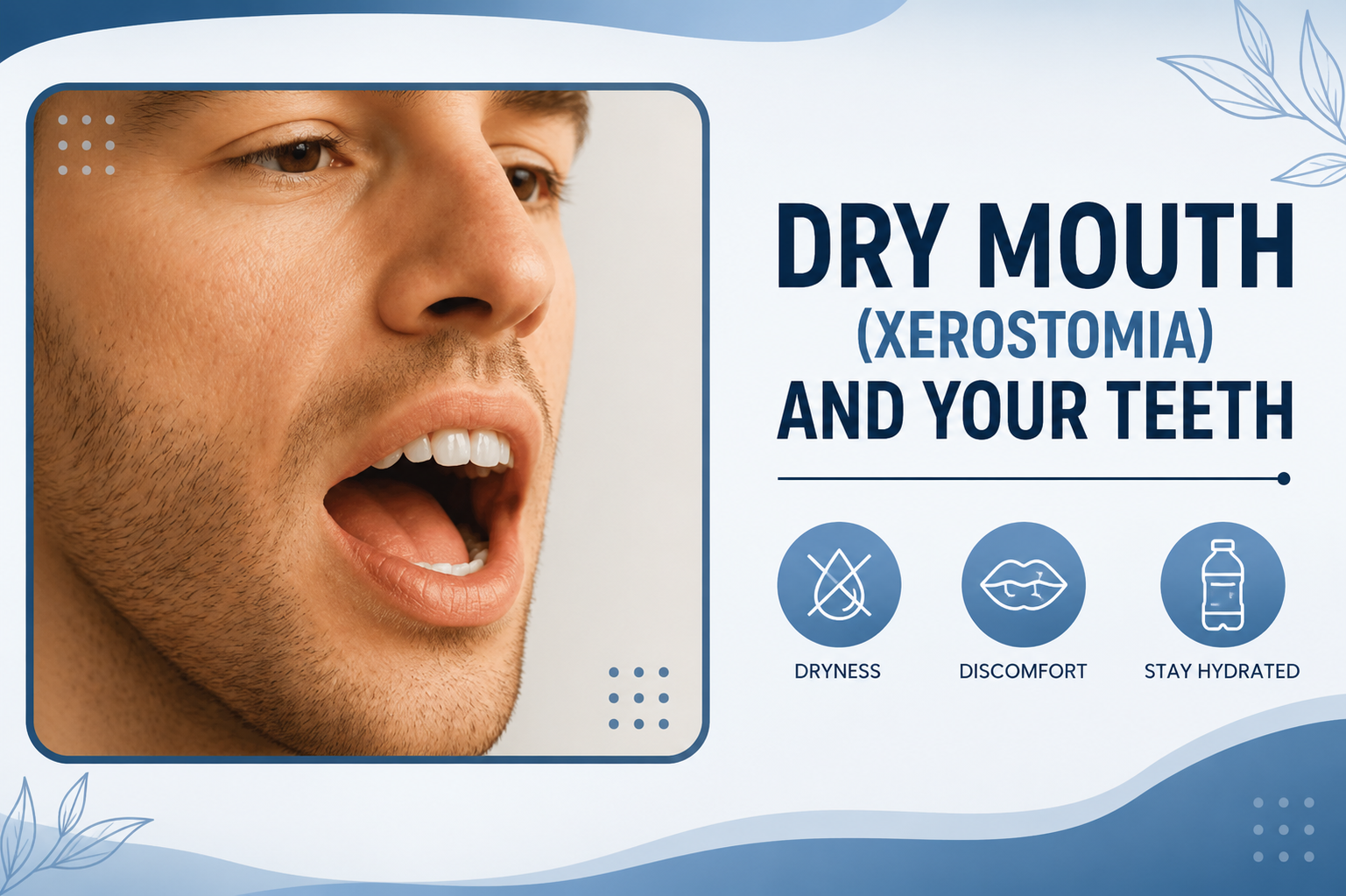
One of the least understood aspects of dry mouth is how it may affect long-term oral health.
Most people associate dry mouth with discomfort. They think about thirst, sticky feelings, dry lips, or waking up during the night.
What many people don’t realize is that saliva plays an important protective role throughout the mouth.
When saliva levels decrease for extended periods, the oral environment changes. Teeth, gums, and soft tissues lose some of the natural moisture and support they normally receive throughout the day.
This is why dental professionals often encourage people with persistent dry mouth symptoms to pay close attention to their oral care routines.
Managing dry mouth isn’t simply about feeling more comfortable. It’s also about supporting a healthier oral environment over time.
People experiencing ongoing dry mouth often benefit from focusing on:
• Consistent oral hygiene
• Regular dental visits
• Adequate hydration
• Daily moisture support
• Dry mouth specific products
• Long-term oral comfort strategies
Dry Mouth Spray vs Dry Mouth Gel vs Mouthwash: Which Works Best?
One of the biggest mistakes people make is assuming every dry mouth product works exactly the same way.
In reality, different products are designed for different situations.
Some people need quick relief while traveling, working, or attending meetings. Others struggle most at night and need support before bedtime. Some want a product that fits naturally into their existing oral care routine.
The best choice often depends on when your symptoms occur and how frequently they appear throughout the day.
Many people eventually discover that combining multiple product formats provides more consistent support than relying on a single solution
Dry Mouth Spray vs Dry Mouth Gel vs Mouthwash
| Dry Mouth Spray | Dry Mouth Gel | Moisturising Mouthwash |
| Best for daytime relief | Best for overnight relief | Best for daily oral care |
| Excellent convenience | Good convenience | Good convenience |
| Highly travel friendly | Moderately travel friendly | Moderately travel friendly |
| Provides quick moisture support | Provides longer-lasting moisture | Helps maintain oral hydration |
| Moderate overnight comfort | Excellent overnight comfort | Moderate overnight comfort |
| Integrates well into daily routines | Integrates well into daily routines | Excellent routine integration |
| Easy to carry and use anywhere | Portable tube format | Less portable bottle format |
| Ideal for work, travel, and meetings | Ideal for bedtime dryness | Ideal for everyday mouth care |
Rather than asking which product is “best,” a better question is:
Which product best matches when your dry mouth symptoms happen?
For many people:
• Spray works best during the day
• Gel works best before bed
• Mouthwash works best as part of daily oral care
• A complete routine provides the most consistent support throughout the day
Why Many People Prefer A Complete Dry Mouth Routine Instead Of One Product
One of the biggest discoveries many dry mouth sufferers make is that there is rarely a single perfect solution that works equally well in every situation.
Dry mouth is not the same throughout the day.
The dryness you experience first thing in the morning may feel completely different from the dryness you experience during a long meeting, while traveling, or while trying to sleep at night. That is why many people become frustrated when they rely on only one product and expect it to solve every situation.
Think about your daily routine.
Your mouth faces different challenges throughout the day. During work hours, you may spend long periods talking. During travel, you may have limited access to water. During sleep, saliva production naturally decreases, creating entirely different moisture needs.
Because dry mouth changes throughout the day, many people find that a layered approach provides more consistent comfort.
Rather than constantly reacting to symptoms, they build a simple routine that supports oral moisture from morning until night.
A common dry mouth routine may look like this:
Morning
• Moisturising mouthwash
• Daily oral care routine
• Fresh start to the day
Daytime
• Dry mouth spray as needed
• Convenient support while working or traveling
• Quick moisture when dryness appears
Nighttime
• Dry mouth gel before bed
• Added moisture support during sleep
• Comfort throughout the night
The goal is not using more products.
The goal is creating consistency.
Many people discover that when they support their mouth throughout the day rather than waiting for symptoms to become severe, they feel more comfortable overall.
Introducing The Denta Med Dry Mouth Routine
At Denta Med, the goal was never to create another generic oral care product.
The focus was creating products specifically designed for people who regularly experience dry mouth and want practical options that fit naturally into everyday life.
Many people living with dry mouth are not looking for complicated routines or products that are difficult to use. They want solutions that are simple, convenient, and easy to incorporate into their day.
That understanding helped shape the Denta Med dry mouth range.
Rather than offering only one product, Denta Med provides multiple options designed for different situations, allowing users to choose the format that best matches their needs.
Whether dryness appears during work hours, while traveling, during daily oral care, or overnight, the goal is to provide moisture support when and where it is needed most.
The Denta Med range includes:
• Denta Med Dry Mouth Spray
• Denta Med Dry Mouth Gel
• Denta Med Moisturising Mouthwash
• Complete dry mouth care bundles
Denta Med Dry Mouth Spray
For many people, daytime dryness creates the biggest challenge.
Meetings, presentations, phone calls, travel, and social events often make it difficult to constantly stop and drink water. Even when water is available, the relief may only last a short time before the dryness returns.
This is where a dry mouth spray becomes particularly useful.
The Denta Med Dry Mouth Spray is designed for convenient daytime moisture support. Its portable format makes it easy to carry in a pocket, purse, backpack, desk drawer, or travel bag.
Many users appreciate having moisture support available whenever dryness appears, rather than waiting until symptoms become distracting.
The spray format is particularly popular among people who:
• Work in offices
• Travel frequently
• Speak for long periods
• Attend meetings regularly
• Experience dryness throughout the day
• Want convenient on-the-go support
Denta Med Dry Mouth Gel
Nighttime dryness can feel different from daytime dryness.
Many people report that their symptoms become most noticeable while sleeping. They wake up multiple times throughout the night, reach for water repeatedly, or start each morning with a dry, uncomfortable mouth.
Because saliva production naturally decreases during sleep, overnight moisture support becomes an important part of many dry mouth routines.
The Denta Med Dry Mouth Gel is designed for people who prefer a longer-lasting moisture experience as part of their evening routine.
Many users choose to apply the gel before bedtime as a way to support overnight comfort and reduce the feeling of waking up with a dry mouth.
The gel format is often preferred by people who:
• Experience nighttime dry mouth
• Wake up frequently due to dryness
• Want moisture support before bed
• Prefer longer-lasting oral comfort
• Experience morning dryness
• Want an easy evening routine
Denta Med Moisturising Mouthwash
A mouthwash designed for dry mouth serves a different purpose than a traditional mouthwash.
While many conventional mouthwashes focus primarily on freshness, people with dry mouth often look for products that fit naturally into their oral care routine while also supporting oral comfort.
The Denta Med Moisturising Mouthwash is designed to complement everyday oral care while helping maintain a comfortable mouth feel.
Many people use it as part of their morning and evening oral hygiene routine, creating a simple foundation for their overall dry mouth management strategy.
Because it integrates easily into existing habits, it is often one of the simplest ways for people to begin building a more consistent dry mouth routine.
Many users incorporate it into:
• Morning brushing routines
• Evening oral care routines
• Daily moisture support habits
• Long-term oral comfort plans
• Complete dry mouth care systems
Why Some People Choose Denta Med
People experiencing dry mouth often spend months trying different products before finding something that fits their lifestyle.
One product works during the day but not at night.
Another works at night but is inconvenient to carry.
A third may not fit naturally into their routine.
As a result, many people eventually stop looking for a single miracle solution and instead focus on creating a consistent system that supports oral comfort throughout the day.
This is one reason many users appreciate the Denta Med approach.
Instead of relying on one format, they have access to multiple options that can be used individually or together depending on their needs.
People often tell us they value:
• Products designed specifically for dry mouth
• Multiple formats for different situations
• Convenient daily use
• Simple routines
• Consistent oral comfort
• Flexible support throughout the day
For many people, the goal is not perfection.
The goal is feeling comfortable enough that dry mouth no longer controls their day.
How To Choose The Best Dry Mouth Product For You
Choosing the right product starts with understanding when your symptoms occur.
If dryness mainly appears during work, travel, or long conversations, a spray may be the most practical option. If symptoms are strongest overnight, a gel may be a better fit. If you’re looking for a product that fits naturally into your existing oral care routine, a moisturising mouthwash may be a logical starting point.
Many people discover that their symptoms occur at multiple times throughout the day. In these situations, combining products often creates a more complete approach.
You may prefer:
Dry Mouth Spray If:
• You need support during the day
• You travel frequently
• You attend meetings often
• You want portable convenience
Dry Mouth Gel If:
• Dryness is worse at night
• You wake up with a dry mouth
• You want overnight moisture support
• You prefer bedtime use
Moisturising Mouthwash If:
• You want daily oral care support
• You prefer a rinse format
• You want something easy to add to your routine
A Complete Routine If:
• Dryness occurs throughout the day
• You want consistent support
• You prefer a morning-to-night approach
• You experience both daytime and nighttime symptoms
Frequently Asked Questions About Dry Mouth
Is Dry Mouth Normal?
Occasional dry mouth is something most people experience from time to time. It can happen after sleeping, during stressful situations, after exercise, or when you simply haven’t had enough fluids throughout the day.
However, if dryness becomes a regular part of your daily life, it may be worth paying closer attention.
Persistent dry mouth is not something that should simply be accepted as a normal part of getting older. When symptoms continue for weeks or months, understanding the possible causes can help you find a more effective approach to relief and long-term oral comfort.
Common signs that deserve attention include:
• Frequent nighttime dryness
• Constant thirst
• Sticky mouth sensation
• Ongoing oral discomfort
• Repeated need for water
• Daily dry mouth symptoms
Why Does My Mouth Stay Dry Even After Drinking Water?
This is one of the most common questions people ask.
Many people assume that if they drink enough water, their dry mouth should disappear. Unfortunately, it is not always that simple.
Water helps support overall hydration, but hydration and oral moisture are not exactly the same thing. Saliva provides a unique type of lubrication and comfort that water alone may not fully replace.
That is why some people find themselves drinking water all day long while still experiencing a dry mouth.
The issue is often not a lack of water. The issue is maintaining comfortable oral moisture throughout the day and night.
This is one reason many people choose products specifically designed for dry mouth rather than relying on water alone.
Why Is Dry Mouth Worse At Night?
Many people notice that their symptoms become significantly worse while sleeping.
This happens because saliva production naturally decreases during the night. If you also breathe through your mouth, snore, have allergies, or sleep in a dry environment, moisture can disappear even more quickly.
As a result, many people wake up feeling thirsty, uncomfortable, or as though their mouth has completely dried out overnight.
Nighttime dry mouth is one of the most common reasons people begin looking for dry mouth gels and other moisture-support products designed for evening use.
Common nighttime triggers include:
• Mouth breathing
• Snoring
• Nasal congestion
• Dry indoor air
• Certain medications
• Naturally reduced saliva production during sleep
Can Dry Mouth Affect My Teeth And Gums?
Saliva plays an important role in supporting overall oral health.
It helps wash away food particles, supports everyday oral hygiene, and contributes to a comfortable oral environment.
When dry mouth becomes persistent, maintaining a consistent oral care routine becomes even more important.
Many dental professionals encourage people experiencing chronic dry mouth to focus on:
• Good daily oral hygiene
• Regular dental checkups
• Adequate hydration
• Moisture support products
• Long-term oral care habits
What Is The Best Dry Mouth Product?
There is no single answer that works for everyone.
The best product depends on when your symptoms occur and how often they affect you.
Some people need quick daytime support. Others struggle most while sleeping. Many people experience dryness throughout the entire day and prefer a complete routine.
A simple guide is:
• Dry Mouth Spray → Best for daytime convenience
• Dry Mouth Gel → Best for overnight comfort
• Moisturising Mouthwash → Best for daily oral care
• Complete Routine → Best for all-day support
The right solution is often the one that fits naturally into your lifestyle and addresses your specific symptoms.
Final Thoughts: Finding The Right Dry Mouth Relief Can Change More Than Your Mouth
Dry mouth is easy to underestimate.
Until it starts waking you up at night.
Until conversations become uncomfortable.
Until you’re constantly searching for water.
Until eating, speaking, and everyday activities no longer feel as effortless as they once did.
The truth is that dry mouth affects much more than moisture. It can affect confidence, sleep quality, daily comfort, and overall quality of life.
That is why finding the right support matters.
Many people spend years trying random solutions, hoping something will work. They switch toothpastes, drink more water, chew gum, and test countless products without ever creating a consistent strategy.
The people who often achieve the best long-term results are the ones who stop chasing temporary fixes and start building a routine that supports their oral comfort throughout the day.
Whether your symptoms occur in the morning, during work, while traveling, or overnight, understanding your triggers is the first step toward finding relief.
And when you find products that fit naturally into your routine, managing dry mouth becomes much easier.
Explore The Denta Med Dry Mouth Range
If you’re looking for products specifically designed to support people experiencing dry mouth, explore the complete Denta Med range:
Denta Med Dry Mouth Spray
Ideal for convenient daytime moisture support when you’re at work, traveling, attending meetings, or simply need comfort on the go.
Denta Med Dry Mouth Gel
Designed for people who prefer longer-lasting moisture support as part of their evening and overnight routine.
Denta Med Moisturising Mouthwash
A simple addition to your daily oral care routine that helps support a comfortable mouth feel.
Complete Denta Med Dry Mouth System
For people who experience dryness throughout the day and want a complete morning-to-night approach.
Dry mouth doesn’t have to control your sleep, your comfort, or your day.
Understanding the cause, choosing the right products, and creating a simple routine can make a meaningful difference.
Your mouth works hard for you every day.
Supporting it with the right care is one of the simplest investments you can make in your long-term comfort and confidence.